

Sprocket Rollers: Odd or Even Teeth
23 Oct 2026
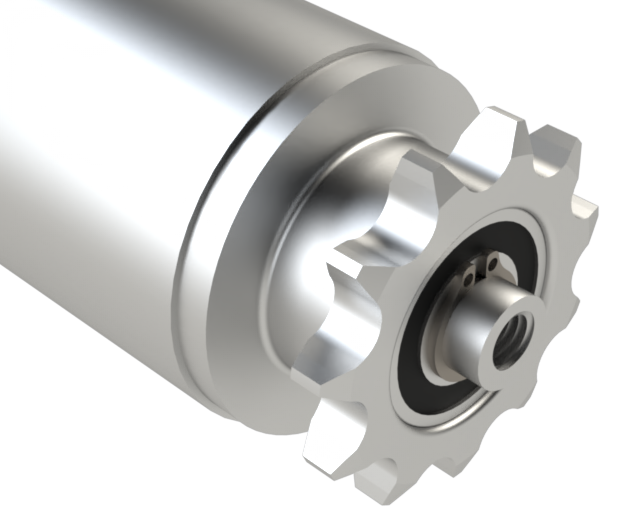
Generally speaking, odd numbers of sprocket teeth are often considered better for wear distribution, whereas even numbers don't offer a functional performance advantage over odd numbers in standard wear scenarios—and can sometimes lead to uneven wear.
The choice between odd and even teeth comes down to engineering mechanics, specifically a concept known as "hunting teeth":
1. The Odd Tooth Advantage (Even Wear)
The "Hunting Tooth" Effect: When a sprocket has an odd number of teeth and works with a chain, it creates a shifting pattern where every individual tooth doesn't mesh with the exact same chain links on every single revolution.
Distributed Wear: Because the engagement cycles through different combinations, the wear is distributed evenly across all the teeth on the sprocket over time.
This maximizes the lifespan of both the sprocket and the chain.
2. The Even Tooth Drawback (Localized Wear)
If a sprocket has an even number of teeth (and depending on the total link count of the chain), specific teeth may repeatedly strike the exact same chain links rotation after rotation.
This can cause certain teeth to take a disproportionate amount of the load, leading to localized "half-tooth" wear patterns where half the sprocket wears down much faster than the other half.
Summary
While an even number of teeth won't break your machinery and is often chosen simply because of standard gear ratios or manufacturing constraints, choosing an odd number of teeth is technically better for longevity because it ensures uniform wear across the entire component.

 Send us a picture


